
Understanding Melanin: Types, Functions, and Lifestyle Factors

Understanding Melanin: Types, Functions, and Lifestyle Factors

What Is Melanin?
Melanin is a natural pigment produced inside the body that contributes to the color of your skin, hair, and eyes. Beyond appearance, melanin also plays a protective role by helping cells respond to everyday environmental exposure, including sunlight and oxidative stress.
In this Uni&Core Science guide, we explore what melanin is, how it is produced, the different types found in the body, and lifestyle factors that may influence healthy pigment balance.
What Does Melanin Do in the Body?
Melanin supports several natural processes that help the body interact with its environment. In the skin, melanin absorbs portions of ultraviolet (UV) light and helps reduce the impact of excessive exposure on underlying cells. This response is part of the body’s normal protective system.
Melanin also demonstrates antioxidant activity, meaning it can interact with reactive oxygen species (ROS). These molecules are produced during everyday metabolism and through environmental factors. By helping neutralize them, melanin contributes to maintaining cellular balance.
In addition, melanin is involved in immune and inflammatory regulation within the skin and other tissues. These roles show that melanin functions as more than a pigment—it is an active component of the body’s broader defense network.
Commonly recognized roles of melanin include:
Supporting the skin’s response to UV exposure
Interacting with free radicals generated in daily life
Contributing to normal inflammatory balance
Providing color to skin, hair, and eyes
The Three Types of Melanin
Melanin is not a single substance. Scientists recognize three main types of melanin, each with distinct characteristics and roles in the body. These forms vary in color, location, and biological function.

Eumelanin
Eumelanin is the most common type of melanin in human skin and hair. It is responsible for dark brown and black pigmentation and plays a major role in determining overall skin tone. Higher levels of eumelanin lead to darker hair and skin, while lower levels can result in lighter shades such as blonde or light brown hair.
Pheomelanin
Pheomelanin produces pinkish and reddish tones, particularly in areas such as the lips and lighter regions of the skin. People who have a balanced mix of eumelanin and pheomelanin often display red or strawberry-blonde hair. This type of melanin reflects light differently, creating warmer color variations.
Neuromelanin
Neuromelanin is found primarily in specific regions of the brain rather than in the skin or hair. Unlike other forms of melanin, it does not contribute to visible pigmentation. Researchers study neuromelanin to better understand its possible connection to neurological health and the natural aging process.
Key TakeawayAlthough all three forms share the name “melanin,” they serve different purposes in different tissues. Together, they influence visible traits while also supporting internal biological functions.
Where Is Melanin Produced?
Melanin is created inside specialized cells called melanocytes. These cells are primarily located in the basal layer of the skin, but they are also present in several other parts of the body. Once produced, melanin is transferred to nearby cells where it contributes to pigmentation and other biological functions.
Melanocytes and different forms of melanin can be found in:

Hair follicles – influencing natural hair color
The innermost layer of the skin – contributing to skin tone and response to UV light
Pupils and irises – helping determine eye color
Specific regions of the brain – where neuromelanin is present
Adrenal glands – supporting tissue-specific functions
Parts of the inner ear – where melanin plays a structural role
The wide distribution of melanocytes shows that melanin is involved in more than visible appearance. It participates in several systems throughout the body, reflecting its broader biological importance.
Understanding where melanin is produced helps explain why changes in pigmentation can occur in different areas of the body.
Common Changes in Pigmentation
Because melanin production is influenced by genetics, hormones, and environmental factors, pigmentation can vary over time. Some changes are natural, while others are linked to specific conditions or external influences. The following examples are provided for general education and do not replace professional medical advice.
Vitiligo
Vitiligo occurs when melanocytes lose activity in certain areas of the skin, leading to lighter patches. This change is often more noticeable in individuals with naturally darker skin tones.
Albinism
Albinism is a genetic trait characterized by very low levels of melanin. People with albinism typically have pale skin and hair and may be more sensitive to sunlight due to reduced natural pigmentation.
Melasma
Melasma appears as brown or grayish patches on the face or arms. It is commonly associated with hormonal changes and sun exposure.
Pigment Changes After Skin Injury
When skin is burned, infected, or irritated, the body may temporarily lose the ability to replace melanin in that area. This can result in lighter or darker marks during the healing process.
Melanin in the Inner Ear
Melanin is present in structures of the inner ear, where it contributes to normal tissue function. Researchers continue to study how variations in melanin may relate to hearing sensitivity.
Neuromelanin and Aging
Neuromelanin naturally changes over the course of life within certain regions of the brain. Scientists are exploring how these changes relate to neurological health and the aging process.
These examples highlight the many ways melanin interacts with different systems in the body, extending beyond visible skin color.
Lifestyle Factors That Influence Melanin
While genetics play the largest role in determining natural pigmentation, everyday habits and environmental exposures can also influence how melanocytes function over time. These factors do not change DNA-based traits, but they may affect the way melanin is produced and maintained.
1. Sun Exposure
Sunlight signals the skin to produce more melanin as part of its normal response to ultraviolet light. Balanced exposure can support natural pigmentation, while excessive exposure may stress skin cells and contribute to uneven tone. Using appropriate sun protection helps maintain healthy skin structure.
2. Sleep
During sleep the body repairs and regulates many systems, including those related to skin health. Consistent, restorative sleep supports normal cellular renewal and hormonal balance, both of which are connected to healthy pigmentation.
3. Stress
Long-term stress can influence hormones such as cortisol. These changes may affect skin appearance and the activity of melanocytes. Managing daily stress through movement, breathing practices, or adequate rest can support overall skin balance.
4. Diet
Melanin pathways rely on a variety of vitamins, minerals, and amino acids. Diets rich in vitamin A, vitamin B12, copper, iron, and tyrosine provide building blocks used in pigment biology. Foods such as leafy greens, eggs, raw nuts, carrots, and wild-caught fish are commonly associated with these nutrients.
5. Smoking and Alcohol
Smoking and excessive alcohol intake are linked to faster skin aging and reduced antioxidant capacity. These habits may interfere with the body’s ability to maintain healthy skin and balanced pigmentation.
6. Water Intake
Adequate hydration supports normal skin structure and circulation. Drinking sufficient clean water each day helps maintain the environment in which melanocytes and skin cells function.
Together, these lifestyle factors highlight that melanin is influenced not only by genetics but also by daily choices that affect overall cellular health.
Nutrients Involved in Melanin Pathways
Melanin production relies on several vitamins, minerals, and amino acids that participate in normal cellular metabolism. These nutrients do not change genetic traits, but they provide the building blocks and cofactors used by melanocytes in everyday pigment biology.
Key Nutrients
Vitamin C – supports healthy skin cells and antioxidant balance
Copper – acts as an essential cofactor in melanin formation
Tyrosine – an amino acid used in the biochemical steps of pigment creation
Iron – supports normal blood and oxygen transport to tissues
Vitamin A and B12 – contribute to skin renewal and cellular function
Foods Commonly Associated With These Nutrients
Whole foods such as blueberries, blackberries, citrus fruits, leafy greens, carrots, eggs, raw nuts, and wild-caught fish are frequently highlighted for providing compounds that participate in pigment and antioxidant pathways.
Maintaining a varied, nutrient-dense diet helps support the biological systems that melanocytes rely on, along with overall skin and cellular resilience.
Uni&Core Science Perspective
Uni&Core products are designed to complement balanced nutrition by providing vitamins, minerals, and antioxidant cofactors that support normal metabolic processes. These pathways intersect with many aspects of skin and cellular health, including those related to pigmentation and oxidative balance.
Educational Notice: Uni&Core products are not intended to diagnose, treat, cure, or prevent any disease. Individual nutrient needs may vary.
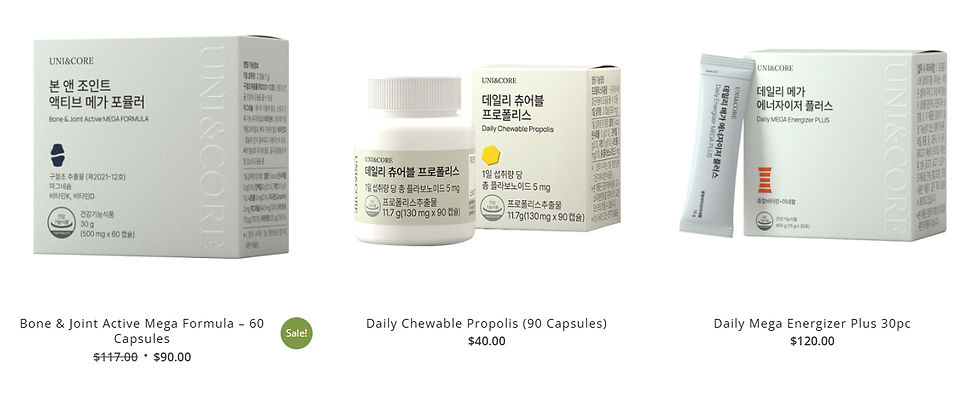
Daily Wellness Support With the Uni&Core Daily Health Wellness Set

To support overall wellness—which includes nutrient pathways involved in skin health, energy, and cellular balance—many people choose comprehensive daily nutrition systems. One example is the Uni&Core Daily Health Wellness Set, a thoughtfully curated collection of functional nutrition products designed to be part of a consistent daily routine.
This set brings together four core components that work together to support balanced nutrition and daily vitality:
Bone & Joint – Daily support for joint mobility and skeletal health
Triple Mega Extension – An advanced Omega-3 formula with EPA, DHA, CoQ10, and lutein to support cardiovascular, cognitive, and eye health
Slim Fit Protein Shake – Clean, balanced protein for satiety and daily nutrition support
Daily Mega Energizer Plus – Functional daily energy support to help maintain focus and activity throughout the day
Taken together as part of a balanced lifestyle, this set provides a spectrum of micronutrients and functional ingredients that can support normal metabolic processes related to energy, immune balance, and daily nutrient needs. While melanin biology itself is primarily governed by genetics and cellular mechanisms, maintaining daily nutritional balance is one way to support overall cellular health and resilience.
Supporting Melanin-Related Pathways
Certain vitamins and minerals are involved in biochemical processes that intersect with pigment biology and antioxidant systems. Uni&Core products such as Immune Antioxidant + Minerals and Cellular BioBalance provide a blend of micronutrients including vitamin A, copper, iron, and antioxidant cofactors. These nutrients support normal cellular metabolism, which in turn contributes to general pigment support and oxidative balance in tissues.
While individual nutrient needs vary, consuming a nutrient-rich diet along with targeted micronutrient support can help maintain pathways that relate to melanin production and overall skin and cellular resilience.
The science of melanin shows how closely pigmentation is connected to overall wellness, nutrition, and daily habits.
Summary and Practical Takeaways
Melanin is far more than a cosmetic pigment. It is a complex biological system involved in the body’s response to sunlight, oxidative balance, and tissue health. Understanding how melanin functions helps explain why pigmentation varies between individuals and how daily habits can influence skin over time.
Key points to remember:
Melanin helps the skin respond to UV exposure and environmental stress
There are three main forms—eumelanin, pheomelanin, and neuromelanin—each with unique roles
Melanin is produced by melanocytes located in the skin, hair, eyes, brain, and other tissues
Nutrition, sleep, hydration, and lifestyle choices can influence pigment-related pathways
Balanced antioxidant and micronutrient intake supports normal cellular processes
By viewing melanin as part of overall wellness rather than only appearance, we gain a broader perspective on skin health and aging. Uni&Core Science continues to explore how nutrition, lifestyle, and cellular resilience connect to everyday vitality.
This article is for educational purposes only and is not intended to replace professional medical advice.


Comments